
Does the thought of visiting the dentist make you nervous? Perhaps you have postponed an appointment because of a previous uncomfortable experience, concerns about pain, or difficulty sitting through longer procedures. If this sounds familiar, you are certainly not alone. Fortunately, sedation dentistry offers options that may help patients feel more relaxed and comfortable during dental care.
For patients in Westchase, Tampa, and surrounding communities, understanding sedation dentistry can make scheduling a dental visit feel much more manageable. Whether you need a routine procedure, restorative dentistry, or a more involved treatment, sedation may help reduce anxiety and improve your overall experience. At The Dental Boutique, patients can discuss comfort concerns and available sedation options with the local dental team.
Dental anxiety should never prevent you from receiving the care you need. Understanding your options, knowing what happens during treatment, and preparing for your appointment can help you feel more confident about taking care of your oral health.
What Is Sedation Dentistry?
Sedation dentistry involves using medication to help patients feel calmer and more relaxed during dental procedures. Depending on the method, patients may remain fully awake, feel deeply relaxed, or have limited memory of the appointment.
Importantly, sedation is different from local anesthesia. Local anesthesia numbs the treatment area to prevent pain, while sedation primarily addresses anxiety, awareness, and comfort. Many procedures use both approaches when appropriate.
The type of sedation recommended depends on several factors, including your health history, anxiety level, procedure complexity, and individual needs.
Your dentist will evaluate these considerations before recommending an approach. Sedation is not automatically appropriate for everyone, and the safest choice requires an individualized assessment.
Why Do Some Patients Experience Dental Anxiety?
Dental anxiety can develop for many reasons. Some patients remember uncomfortable childhood appointments, while others worry about needles, unfamiliar sounds, or feeling unable to control what happens during treatment.
Common concerns include:
- Fear of pain or discomfort
- Previous unpleasant dental experiences
- Anxiety about injections
- Sensitivity to dental sounds or instruments
- Difficulty sitting still for extended periods
- A strong gag reflex
- Concerns about complex dental procedures
- Feeling overwhelmed by unfamiliar treatment steps
Additionally, patients who have avoided dental care for several years may worry about what an examination will reveal. A supportive dental team can explain findings without judgment and help prioritize treatment according to your needs.
Discussing these concerns before your appointment allows your dentist to develop a more comfortable and predictable experience.
Types of Sedation Used in Dentistry
Nitrous Oxide Sedation
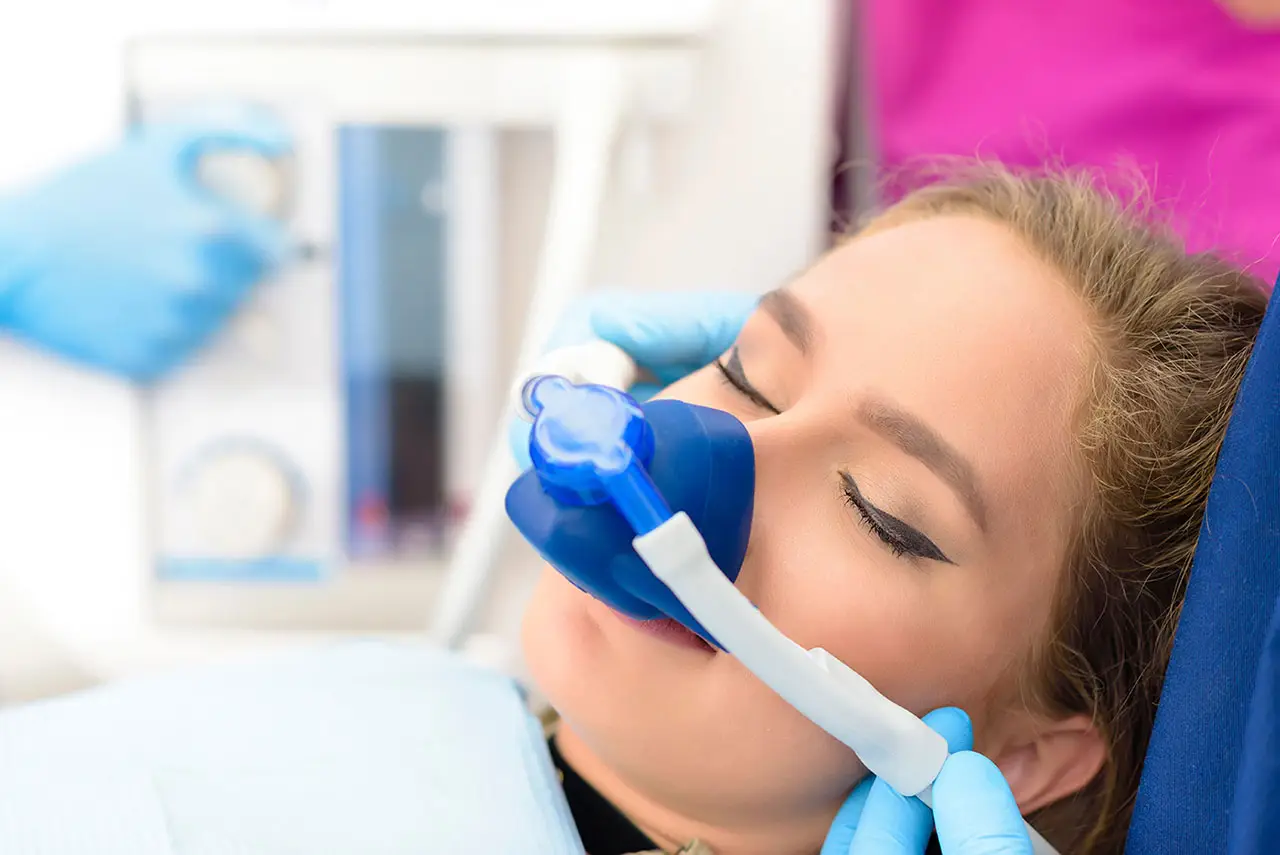
Nitrous oxide, sometimes called laughing gas, is inhaled through a small mask placed over the nose. It can help patients feel calmer while remaining awake and responsive.
The effects generally begin quickly and wear off relatively soon after the gas is discontinued. However, availability varies by practice, and your dentist must determine whether it is suitable for you.
Oral Sedation
Oral sedation typically involves taking a prescribed medication before the dental procedure. Depending on the medication and dose, patients may feel significantly relaxed or drowsy.
Although patients may remain responsive, their awareness and memory of the appointment can be reduced. Because oral sedation affects alertness and coordination, patients generally need a responsible adult to accompany them and provide transportation afterward.
Patients should never take extra sedative medication or combine prescriptions with alcohol or other sedating substances unless specifically directed by their healthcare professional.
Intravenous Sedation
Intravenous sedation, commonly called IV sedation, delivers medication directly through a vein. This allows appropriately trained clinicians to adjust the medication during the procedure.
IV sedation may be considered for certain lengthy procedures or patients with substantial dental anxiety. However, it requires specific clinical training, appropriate monitoring, and careful evaluation of the patient’s medical history.
Not every dental office provides every sedation option. Therefore, confirm the available services and eligibility requirements with your selected practice.
Who May Benefit From Sedation Dentistry?
Sedation dentistry may be helpful for patients who experience significant nervousness before dental appointments or have difficulty tolerating certain procedures.
It may also be considered for individuals with a pronounced gag reflex, challenges remaining comfortable during lengthy treatment, or a history of delaying necessary care because of anxiety.
However, medical considerations can affect candidacy. Sleep apnea, breathing conditions, pregnancy, medication interactions, and certain medical conditions may influence whether sedation is appropriate.
During your consultation, provide a complete list of medications, supplements, allergies, and relevant health conditions. This information helps your dental team evaluate safety and select the most appropriate treatment approach.
Benefits of Sedation Dentistry in Westchase
When used appropriately, sedation dentistry can offer meaningful advantages for patients who struggle with dental anxiety or require more involved treatment.
- Reduced anxiety: Sedation can help patients feel calmer before and during dental procedures.
- Improved comfort: Relaxation may make unfamiliar sounds, sensations, and treatment steps easier to tolerate.
- Greater willingness to seek care: Patients who previously avoided appointments may feel more comfortable returning for treatment.
- Support during lengthy appointments: Sedation may help patients tolerate procedures that require additional time in the dental chair.
- Reduced awareness: Certain sedation methods may decrease awareness or memory of treatment.
- Personalized treatment: Sedation options can be evaluated according to medical history, procedure needs, and anxiety levels.
- Better continuity of care: Feeling more comfortable at appointments may encourage consistent preventive and restorative treatment.
These benefits depend on the sedation method, individual health considerations, and treatment circumstances. Your dentist can explain the expected advantages and limitations of each available option.
What Happens Before a Sedation Dentistry Appointment?
Preparation begins with a consultation. Your dentist reviews your medical history, current medications, treatment needs, and comfort preferences.
Depending on the sedation method, your dental team may also discuss fasting instructions, transportation arrangements, and whether a responsible adult must remain with you after treatment.
Before the appointment, ask questions such as:
- Which sedation methods are available at this location?
- How awake will I be during treatment?
- Will I need someone to drive me home?
- Should I take my regular medications?
- Are there restrictions on eating or drinking beforehand?
- How long will the effects last?
- What safety monitoring will be used?
Following the instructions provided by your dental team is essential. Do not assume that preparation guidelines for one type of sedation apply to another.
What to Expect During Dental Treatment
When you arrive for your appointment, the dental team will review your treatment plan and confirm that the necessary preparation instructions were followed.
If sedation is used, your comfort and vital signs may be monitored according to the selected method and applicable clinical requirements.
Local anesthesia may also be administered to numb the treatment area. Sedation does not necessarily eliminate the need for numbing medication.
Throughout the procedure, the dental team focuses on performing treatment safely while monitoring your response.
Patients often find that knowing what to expect helps reduce apprehension. Therefore, do not hesitate to ask your dentist to explain the steps before treatment begins.
Recovery After Sedation Dentistry
Recovery depends on the medication and method used. Patients receiving minimal sedation may recover relatively quickly, while oral or IV sedation can affect alertness for several hours or longer.
For certain sedation methods, you may need to avoid driving, operating equipment, making important decisions, or returning to work until your dental team confirms that it is appropriate.
Arrange transportation and supervision when instructed. Additionally, follow any dietary restrictions and postoperative instructions related to the dental procedure itself.
Contact your dental team if you experience unexpected symptoms after treatment. Severe breathing difficulty, loss of consciousness, or other serious symptoms require emergency medical attention.
Can Sedation Help Patients Return to Regular Dental Care?
For many patients, the greatest value of sedation dentistry is that it can make necessary treatment feel approachable again.
Someone who has delayed appointments because of fear may have untreated cavities, gum inflammation, or damaged restorations. Addressing those concerns can improve oral comfort and prevent additional complications.
However, sedation does not replace communication, compassionate care, or preventive dentistry. A positive dental experience should also involve clear explanations, realistic expectations, and opportunities to ask questions.
For example, patients may begin with an examination and a conversation about treatment priorities before committing to more extensive procedures.
Over time, establishing a comfortable relationship with a dental team can make routine visits easier, even when sedation is not needed for every appointment.
Frequently Asked Questions About Sedation Dentistry
Will I Be Completely Asleep During Sedation Dentistry?
Not necessarily. Many sedation techniques allow patients to remain awake and responsive, although they may feel deeply relaxed. The level of awareness depends on the medication, dosage, and sedation method.
Is Sedation Dentistry Safe for Everyone?
No. Sedation requires a medical evaluation because certain health conditions, medications, and breathing concerns may affect safety. Your dentist will determine whether it is appropriate for your situation.
Can I Drive Myself Home After Sedation Dentistry?
It depends on the method used. Oral and IV sedation generally require someone else to drive you home. Follow your dental team’s specific transportation and recovery instructions.
Does Sedation Dentistry Eliminate the Need for Local Anesthesia?
Usually not. Sedation helps with anxiety and relaxation, while local anesthesia numbs the treatment area. Both may be used during the same procedure.
Does Every Dental Office Offer Sedation?
No. Sedation options vary by practice, provider training, and available facilities. Contact the office directly to confirm which methods are offered.
Feel More Comfortable About Dental Care in Westchase
Dental anxiety does not have to stand between you and a healthier smile. Whether you need restorative treatment, preventive care, or an evaluation for a more involved procedure, discussing your comfort concerns is a valuable first step.
Contact The Dental Boutique in Westchase at 813-536-7766 to Schedule a Consultation and ask which sedation options may be appropriate for your dental needs.
Claim Your $50 Credit Now
Choose a location to connect with the office that serves your area.
Find a Location