
It’s easy to postpone a dental cleaning when life gets busy. You might think, “My teeth feel fine,” or “I’ll do it next month.” However, cleanings aren’t just about polishing teeth—they’re about preventing small problems from turning into expensive surprises. If you’re in Trinity, this guide explains how often you actually need cleanings, what happens during a visit, and what risks increase when you wait too long.
Why Cleanings Matter Even If You Brush Well
Brushing is essential, but it can’t do everything. Plaque is a sticky bacterial film that builds daily. If plaque isn’t removed completely, it can harden into tartar (calculus), especially near the gumline and behind lower front teeth. Once tartar forms, you can’t brush it away at home.
Professional cleanings:
- remove tartar that home care can’t
- reduce gum inflammation and bleeding
- help catch early cavities before they get bigger
- help protect dental work (fillings, crowns, implants)
- create a baseline for monitoring changes over time
Cleanings are preventive “maintenance visits” for your whole mouth.
How Often Do You Really Need A Cleaning?
The Common Recommendation: Every 6 Months
For many patients, a cleaning every six months is a solid baseline. It helps control plaque buildup and catch changes early.
When You May Need Cleanings Every 3–4 Months
More frequent cleanings can be beneficial if you have:
- gum disease history (periodontal pockets)
- frequent bleeding gums
- diabetes or health conditions affecting inflammation
- smoking/vaping history
- dry mouth from medications
- heavy tartar buildup despite good brushing
- implants or extensive dental work that needs close monitoring
This schedule is often called periodontal maintenance. It’s not a “punishment”—it’s a strategy to keep bacteria from reorganizing in deeper gum pockets.
When You Might Stretch Beyond 6 Months
Some low-risk patients with excellent gum health and low cavity risk might do well with longer intervals. But most practices still recommend routine exams at least twice a year because early problems can be silent.
What Happens During A Professional Cleaning?
A typical cleaning involves several steps:
1) Gum Health Check
Your hygienist looks for:
- gum inflammation and bleeding points
- pocket depth changes
- recession or gumline sensitivity
- plaque/tartar patterns
This tells the team where you need extra help at home.
2) Tartar Removal (Scaling)
Using ultrasonic and/or hand instruments, your hygienist removes tartar from:
- above the gumline
- slightly below the gumline in shallow areas
- tight spaces where tartar tends to hide
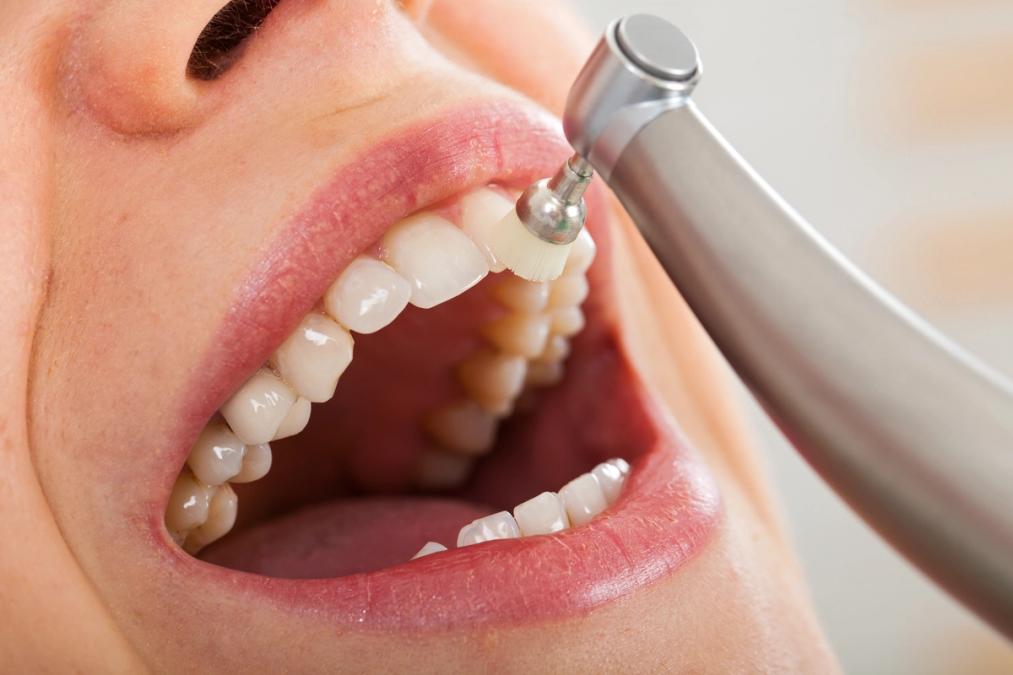
3) Polishing
Polishing removes surface stains and smooths enamel so plaque has a harder time sticking.
4) Fluoride Or Protective Treatments (If Recommended)
Fluoride varnish can be helpful for:
- cavity-prone patients
- sensitivity
- early enamel demineralization
5) Dentist Exam
The dentist checks:
- tooth surfaces for decay
- old fillings/crowns for breakdown
- cracks and wear patterns
- bite and jaw issues
- oral cancer screening (when appropriate)
If X-rays are needed, they’re taken at safe intervals based on risk factors.
What Happens If You Keep Skipping Cleanings?
Gum Disease Can Develop Quietly
Gum disease often doesn’t hurt early on. It may start as mild bleeding, then progress into deeper pockets and bone loss. Once bone is lost, it can’t simply “grow back” without specialized treatment.
Cavities Can Grow Under The Surface
A small cavity can be treated conservatively. A larger cavity can require:
- bigger fillings
- crowns
- root canal treatment
- or extraction in severe cases
Stains And Breath Can Get Worse
Surface stains and plaque buildup can contribute to chronic bad breath, especially around gum inflammation.
Dental Work Can Fail Faster
Crowns, fillings, and implants last longer when gum health is stable and plaque levels are controlled.
A Simple Trinity Home-Care Checklist Between Visits
- Brush twice daily for two minutes with fluoride toothpaste
- Floss once daily (or use interdental brushes if recommended)
- Focus behind lower front teeth and along the gumline
- Use a water flosser if you have bridges, implants, or tight contact areas
- Drink water between meals and limit frequent snacking
- If you’re prone to cavities, ask about fluoride rinses or prescription toothpaste
Consistency matters more than perfection—small daily habits add up.
What If Cleanings Feel Uncomfortable?
If you’ve avoided cleanings because of sensitivity or anxiety, you’re not alone. Many offices can help with:
- gentler instruments and pacing
- topical numbing options
- sensitivity-friendly polishing
- treatment breaks as needed
The sooner you return, the easier it often becomes—because inflammation decreases with consistent care.
Cleanings And Cosmetic Goals Go Together
If you want whitening, veneers, or bonding, your foundation matters. Clean teeth and healthy gums help cosmetic dentistry look better and last longer. Explore cosmetic options with The Dental Boutique, and keep your routine care on track through General & Family Dentistry.
Your Next Step
If it’s been a while, don’t worry—just start now. Contact Starlight Dental Management (Trinity) to Book an Appointment and get back on a cleaning schedule that fits your needs and keeps surprises to a minimum.
Claim Your $50 Credit Now
Choose a location to connect with the office that serves your area.
Find a Location