
Missing one tooth can affect more than your smile. It can change the way you chew, make neighboring teeth shift, and create spaces where food gets trapped. If you are missing a tooth in Tampa, a dental bridge may be one of the most practical ways to restore your bite and fill the gap with a natural-looking result.
A dental bridge is a fixed restoration, meaning it stays in your mouth and does not come in and out like a removable partial denture. For many patients, that simple convenience is a major reason bridges remain a trusted option. However, the best tooth replacement choice depends on your oral health, budget, timeline, and whether the teeth next to the gap are strong enough to support the restoration.
This guide explains how dental bridges work, when they are recommended, how they compare with implants, and how to keep them clean for long-term success.
What Is A Dental Bridge?
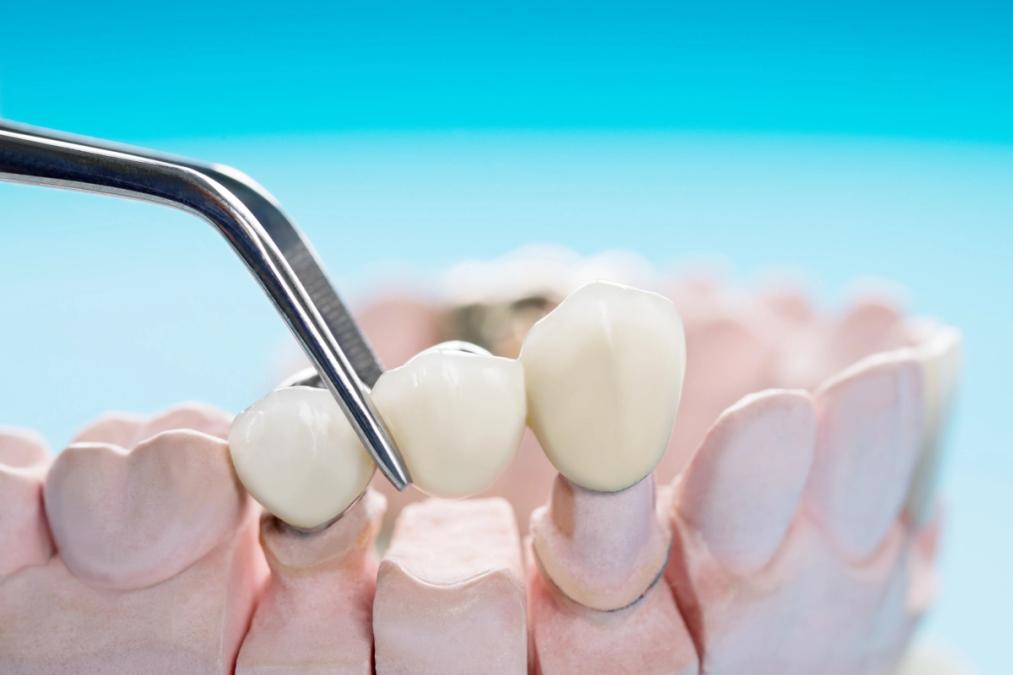
A dental bridge replaces one or more missing teeth by anchoring an artificial tooth to neighboring teeth or dental implants. The artificial tooth is called a pontic, and the supporting crowns or attachments are called abutments.
The most common bridge replaces one missing tooth by placing crowns on the teeth on either side of the gap. These crowns are connected to the replacement tooth in the middle, creating one stable restoration.
A bridge can restore appearance, chewing ability, and bite balance. It can also help prevent nearby teeth from drifting into the empty space.
When A Dental Bridge May Be Recommended
A dental bridge may be a good fit if:
- You are missing one tooth or a small number of teeth in a row
- The neighboring teeth already need crowns or have large fillings
- You want a fixed option that does not come out
- You are not ready for implant surgery
- You want a faster replacement timeline than an implant pathway
- Bone levels or medical considerations make implants less ideal right now
A bridge is especially practical when the teeth next to the gap would benefit from crowns anyway. In that case, the bridge can solve two problems at once, strengthening the neighboring teeth while replacing the missing tooth.
Types Of Dental Bridges
Traditional Dental Bridge
This is the most common type. It uses crowns on neighboring teeth to support the replacement tooth. Traditional bridges are strong and predictable when the supporting teeth are healthy enough.
Cantilever Bridge
A cantilever bridge is supported on only one side. This is less common and is usually reserved for areas with lighter biting forces.
Maryland Bridge
A Maryland bridge uses small wings bonded to the backs of neighboring teeth. It is more conservative, but not always strong enough for back teeth or heavy bite pressure.
Implant-Supported Bridge
When several teeth are missing, implants can support a bridge without relying on natural teeth. This can be an excellent option for patients who want strong function and do not want a removable appliance.
Dental Bridge Vs. Dental Implant: How To Compare
A bridge and an implant can both replace a missing tooth, but they work differently.
A bridge is often completed faster because it does not require implant integration time. It can be a good option if the neighboring teeth need crowns. However, it does require reshaping those neighboring teeth.
A dental implant replaces the missing tooth root and supports a crown independently. It does not require altering the neighboring teeth, and it helps stimulate bone in the area. However, it usually takes longer and involves a surgical placement step.
The right choice depends on your long-term goals. If the neighboring teeth are untouched and healthy, an implant may be attractive. If they are already weakened or restored, a bridge may make more sense.
What The Dental Bridge Process Looks Like
Exam And Treatment Planning
Your dentist checks the missing tooth area, the neighboring teeth, gum health, and bite. X-rays help evaluate bone and root support. If the supporting teeth are healthy enough, your dentist will discuss materials and shade.
Tooth Preparation
The supporting teeth are shaped for crowns. Numbing keeps the process comfortable. Your dentist then takes an impression or digital scan so the bridge can be made precisely.
Temporary Bridge
You usually leave with a temporary bridge that protects the prepared teeth and helps you chew while the final bridge is being crafted.
Final Bridge Placement
At the final visit, your dentist checks fit, appearance, and bite. The bridge is then cemented or bonded in place. Small adjustments may be made so chewing feels even and comfortable.
Benefits of “dental bridges in Tampa”
Dental bridges offer several practical advantages for patients who want a fixed tooth replacement option.
- Restores the appearance of a complete smile
- Helps prevent neighboring teeth from shifting into the gap
- Improves chewing comfort and bite balance
- Provides a fixed solution that does not need to be removed at night
- Can strengthen neighboring teeth if they already need crowns
- Often provides a faster treatment timeline than dental implants
- Can be customized to blend naturally with surrounding teeth
How To Care For A Dental Bridge
Caring for a bridge is slightly different from caring for a single crown because you need to clean underneath the replacement tooth.
Daily care should include:
- Brushing twice daily with fluoride toothpaste
- Flossing around the supporting teeth
- Using floss threaders or special bridge floss under the pontic
- Considering a water flosser for easier cleaning
- Avoiding hard candy, ice chewing, and using teeth as tools
- Keeping routine cleanings so the bridge margins stay healthy
The biggest cleaning mistake is ignoring the area under the bridge. Plaque can build up there and irritate the gums. With the right tools, cleaning becomes simple and quick.
Signs Your Bridge Needs Attention
Call your dental office if you notice:
- Food getting trapped under the bridge more often
- Gum swelling or bleeding around the bridge
- A loose feeling when chewing
- Bad taste or odor near the bridge
- Sensitivity around a supporting tooth
- A chip or rough edge
Small repairs or adjustments are easier when caught early.
How Long Do Dental Bridges Last?
Bridge longevity depends on home care, bite forces, gum health, and the condition of the supporting teeth. A bridge can last for many years when the area is kept clean and the bite is balanced.
If you grind or clench at night, a custom nightguard can protect the bridge and surrounding teeth from excess force. This is especially important for patients who have cracked teeth, worn enamel, or a history of breaking restorations.
Choosing The Right Tooth Replacement Plan In Tampa
A dental bridge can be a strong, attractive, and efficient solution for missing teeth. However, it should be chosen after comparing all options, including implants and partial dentures. A personalized evaluation can help you understand what is most predictable for your mouth.
If you are missing a tooth and want a fixed replacement option, visit The Dental Boutique in Tampa to discuss whether a dental bridge is the right fit for your smile, bite, and long-term goals.
Claim Your $50 Credit Now
Choose a location to connect with the office that serves your area.
Find a Location