
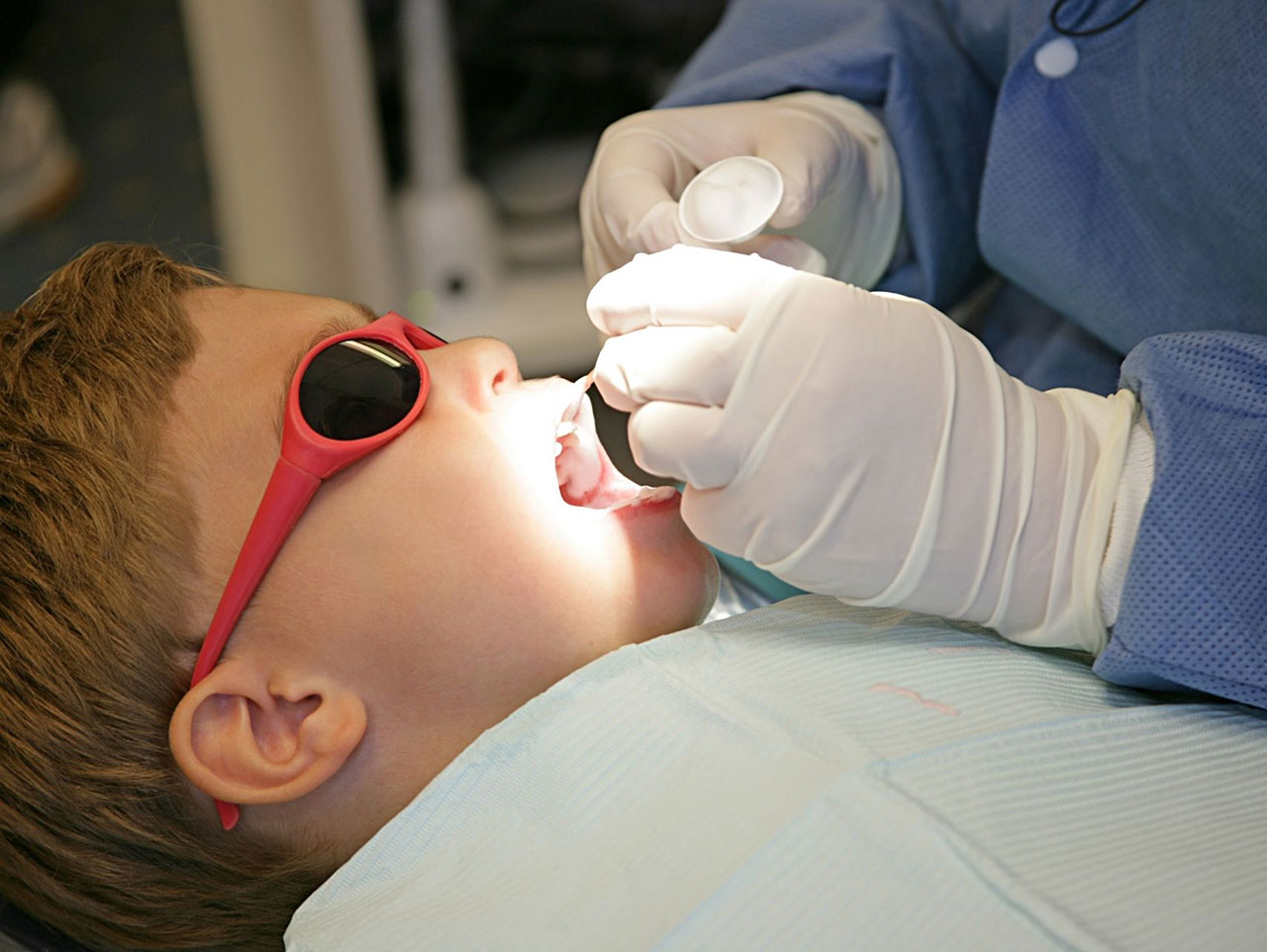
Even children who brush their teeth regularly can develop cavities, particularly in the deep grooves of their back molars. These areas are difficult to clean because toothbrush bristles cannot always reach every narrow groove. Fortunately, dental sealants provide an additional protective barrier that can help prevent decay. For families interested in preventive family dentistry in Coral Springs, understanding dental sealants can be an important part of protecting children’s growing smiles.
At Pine Ridge Dental on Wiles in Coral Springs, families can explore preventive dental care designed around their individual needs. Sealants are one of several tools dentists may recommend to reduce cavity risk, especially during the years when permanent molars are first appearing.
Parents often have questions about dental sealants. Are they safe? Do they hurt? How long do they last? Do children still need fluoride and regular cleanings afterward? Understanding the answers can make preventive treatment decisions easier and help families establish healthy dental habits that last into adulthood.
What Are Dental Sealants?
Dental sealants are thin protective coatings applied to the chewing surfaces of teeth, usually the back molars.
These teeth contain natural pits and grooves that help with chewing. However, the grooves can also collect plaque, food particles, and bacteria.
When bacteria remain in these areas, they can produce acids that weaken enamel and eventually contribute to cavities.
A dental sealant creates a protective surface over the grooves, making it harder for food and plaque to become trapped inside them.
Sealants are commonly made from dental resin materials and are generally applied without removing healthy tooth structure.
Although sealants are especially useful for children, some adults may also benefit from them when their teeth have deep grooves and an increased risk of decay.
Why Are Children’s Molars More Vulnerable to Cavities?
Back teeth are designed to crush and grind food. Their chewing surfaces naturally contain small valleys, pits, and grooves.
Unfortunately, those same features make molars challenging to clean thoroughly.
Even when a child brushes for two minutes, some grooves may be too narrow for toothbrush bristles to reach completely.
Additionally, children are still developing their brushing skills. Young children may have difficulty reaching the back of the mouth or recognizing areas that need extra attention.
Diet also plays a role. Frequent snacking, sweetened beverages, and sticky foods can increase exposure to sugars that cavity-causing bacteria use.
Dental sealants help address one important part of this problem by protecting the chewing surfaces where decay commonly begins.
When Should Children Get Dental Sealants?
Dental sealants are often recommended when permanent molars emerge.
The first permanent molars commonly appear around age six, while the second permanent molars generally emerge around age twelve.
However, eruption timing varies among children. Some teeth appear earlier, while others arrive later.
Your dentist will determine whether the tooth has erupted enough for a sealant to be placed effectively.
The ideal timing also depends on cavity risk, enamel condition, and the shape of the tooth.
In certain situations, sealants may be considered for baby teeth with particularly deep grooves or high cavity risk.
Because every child’s mouth develops differently, preventive recommendations should be based on an individual examination rather than age alone.
How Are Dental Sealants Applied?
One reason dental sealants are popular with families is that application is generally quick and comfortable.
The process usually involves several simple steps.
Step 1: Cleaning the Tooth
The dental team cleans the chewing surface to remove plaque and debris from the grooves.
A clean surface helps the sealant attach properly.
Step 2: Preparing the Enamel
A special conditioning material is applied briefly to help the sealant bond to the tooth.
The area is then rinsed and dried according to the product instructions.
Step 3: Applying the Sealant
The sealant material is carefully placed into the pits and grooves of the chewing surface.
The dentist or hygienist checks that the material covers the intended areas without creating unwanted thickness.
Step 4: Hardening the Material
Many dental sealants are hardened using a special curing light.
This transforms the material into a durable protective coating.
Step 5: Checking the Bite
The dental team checks the sealant and confirms that the tooth feels comfortable when biting.
Once placement is complete, most children can return to their usual activities immediately, following any specific instructions provided.
Does Getting Dental Sealants Hurt?
Dental sealant application is generally painless because it does not usually involve drilling into healthy enamel or removing tooth structure.
For many children, the process feels similar to having the teeth cleaned or polished.
The most challenging part may be keeping the mouth open and the teeth dry for a short period.
Dental teams often use child-friendly explanations to help young patients understand what is happening.
For example, describing the sealant as a protective coating that helps keep food out of tiny grooves can make the procedure easier to understand.
A calm, predictable appointment can also help children develop positive associations with preventive dental care.
Benefits of Dental Sealants in Coral Springs
Dental sealants offer several advantages for children whose permanent molars are vulnerable to decay.
- Cavity prevention: Sealants create a barrier that helps protect the chewing surfaces from cavity-causing bacteria and trapped food.
- Protection for hard-to-clean grooves: Deep pits and fissures become less likely to collect debris.
- Preservation of natural enamel: Sealant placement generally does not require drilling or removing healthy tooth structure.
- Comfortable application: The procedure is typically quick and does not require injections.
- Support during childhood development: Sealants protect vulnerable molars while children continue improving their brushing skills.
- Potential reduction in restorative treatment: Preventing cavities may reduce the need for fillings in protected areas.
- Long-term preventive value: When monitored and maintained, sealants can provide protection for several years.
Importantly, sealants work best as part of a complete preventive care routine that includes brushing, fluoride, flossing, and dental examinations.
Are Dental Sealants Safe for Children?
Dental sealants have been used in preventive dentistry for many years and are considered safe when applied appropriately.
Parents sometimes ask about the ingredients used in sealant materials, particularly resin-based products.
Dental materials undergo safety evaluations, and the amount of exposure associated with properly placed sealants is generally very small.
If your child has a history of allergies, sensitivities, or unusual reactions to dental materials, share that information with the dental team before treatment.
Your dentist can explain the specific material being used and address questions about its suitability.
For most children, the protective value of dental sealants makes them a useful preventive option when recommended based on cavity risk.
How Long Do Dental Sealants Last?
Dental sealants can remain effective for several years, but their longevity depends on the material, placement, chewing forces, and daily habits.
Over time, a sealant may become worn, chipped, or partially detached.
This does not necessarily mean that the tooth has developed a cavity. However, a damaged sealant should be evaluated because the exposed grooves may no longer have full protection.
During regular dental appointments, your dentist can check the condition of existing sealants.
If necessary, a sealant may be repaired or replaced.
These routine checks help ensure that protected chewing surfaces continue receiving the intended benefit.
Do Dental Sealants Replace Brushing and Flossing?
No. Dental sealants protect selected chewing surfaces, but they do not cover every area of the tooth.
Cavities can still develop between teeth, near the gumline, or on surfaces that do not have sealants.
Children should continue brushing twice daily with fluoride toothpaste and cleaning between teeth as appropriate for their age.
Parents should assist younger children with brushing and flossing until they have the coordination needed to clean effectively.
Additionally, regular examinations allow the dental team to monitor tooth development, sealant condition, gum health, and cavity risk.
Sealants are most effective when combined with these everyday preventive habits.
Dental Sealants vs. Fluoride Treatments
Parents sometimes assume that dental sealants and fluoride treatments provide the same protection.
Although both help prevent cavities, they work in different ways.
Fluoride helps strengthen enamel and supports the natural repair of early mineral loss.
Dental sealants create a physical protective barrier over pits and grooves on the chewing surfaces.
Because their functions are different, dentists may recommend both treatments for children at increased risk of cavities.
For example, a child with newly erupted permanent molars may benefit from sealants on the chewing surfaces while continuing to use fluoride toothpaste every day.
Your dentist can explain whether professional fluoride treatments are also appropriate based on the child’s individual risk factors.
What Happens if a Child Already Has a Small Cavity?
Sealants are primarily intended to prevent decay, but their use depends on the condition of the tooth.
In certain situations, a dentist may seal a non-cavitated early lesion as part of a carefully monitored preventive plan.
However, a tooth with a significant cavity or damaged structure may require a filling or another restoration instead.
This is why a dental examination is important before sealant placement.
The dentist must determine whether the tooth surface is healthy enough for a sealant or whether existing decay needs treatment.
Choosing the correct approach helps protect tooth structure while avoiding unnecessary procedures.
Helping Children Maintain Healthy Teeth at Home
Preventing cavities requires consistent daily habits, even when dental sealants are present.
Parents can support healthy smiles by creating a predictable brushing and flossing routine.
Helpful habits include:
- Brush twice daily using fluoride toothpaste appropriate for the child’s age.
- Help younger children brush thoroughly, especially around back molars.
- Clean between teeth once the spaces become too tight for a toothbrush to reach.
- Encourage water between meals instead of frequent sugary drinks.
- Limit constant snacking on sticky sweets and processed carbohydrates.
- Schedule regular dental examinations and cleanings.
- Ask the dental team about fluoride and sealant recommendations.
- Encourage children to report tooth sensitivity or discomfort early.
Children often respond well when preventive care becomes part of a familiar routine.
For example, brushing together as a family can help younger children develop consistency while giving parents an opportunity to check technique.
Positive reinforcement can also encourage children to take ownership of their oral health without making dental care feel stressful.
Are Dental Sealants Worth Considering for Teenagers?
Although sealants are frequently associated with younger children, teenagers may also benefit from them.
Second permanent molars often erupt during the early teen years. These teeth can have deep grooves that are difficult to clean.
Teenagers may also experience changes in eating habits, sports participation, and oral hygiene routines as schedules become busier.
A preventive examination can identify which molars would benefit from additional protection.
Sealants may be particularly helpful for teenagers with a history of cavities or teeth with pronounced pits and fissures.
However, your dentist will consider the condition of each tooth before making a recommendation.
Frequently Asked Questions About Dental Sealants
What Age Should My Child Get Dental Sealants?
Sealants are commonly considered when permanent molars erupt, usually around ages six and twelve. However, your dentist will recommend timing based on your child’s tooth development and cavity risk.
Do Dental Sealants Hurt?
Dental sealant placement is generally painless and usually does not require drilling or injections. The tooth is cleaned, prepared, and coated with protective material.
How Long Do Dental Sealants Last?
Sealants can last several years, although wear and damage are possible. Regular dental examinations allow the dentist to check whether repairs or replacement are needed.
Can My Child Still Get Cavities With Sealants?
Yes. Sealants protect selected chewing surfaces but do not prevent cavities everywhere. Brushing, flossing, fluoride, healthy dietary habits, and dental visits remain essential.
Are Dental Sealants Only for Children?
No. Some teenagers and adults may also benefit from sealants when their teeth have deep grooves and a higher risk of decay. A dental examination can determine whether treatment is appropriate.
Protect Your Child’s Smile in Coral Springs
Dental sealants offer a simple way to provide additional protection for vulnerable back teeth. When combined with regular dental care and good home hygiene, they can help children maintain healthier smiles as their permanent teeth develop.
Contact Pine Ridge Dental on Wiles in Coral Springs at 954-906-3337 to Book an Appointment and ask whether dental sealants are a suitable preventive treatment for your child.
Claim Your $50 Credit Now
Choose a location to connect with the office that serves your area.
Find a Location