
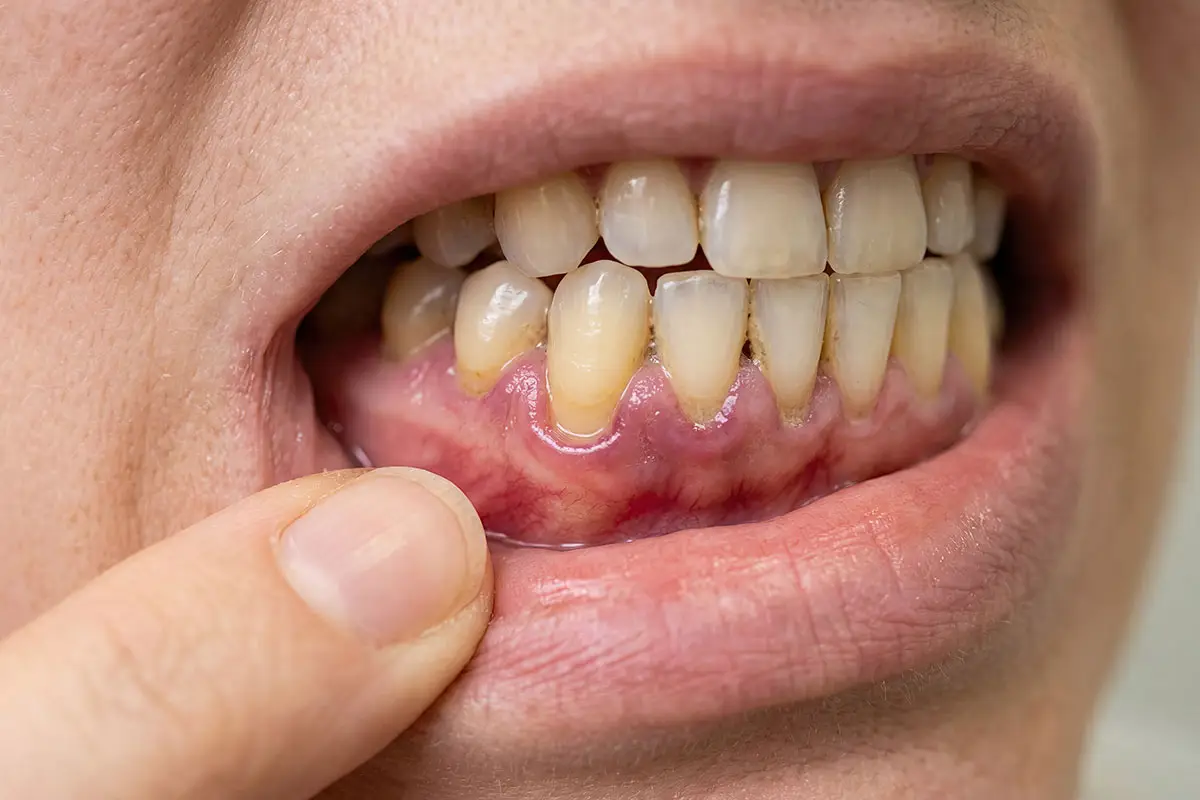
Most people think of dental visits as a time to check for cavities and clean teeth. While those are important, routine dental exams can also include a careful look at the lips, tongue, cheeks, throat, and other soft tissues. At a General & Family Dentistry practice in Coral Springs, oral cancer screening can be part of a prevention-focused visit that supports your overall wellness.
Oral cancer screening is quick, non-invasive, and designed to identify unusual tissue changes early. Many spots in the mouth are harmless, but some changes should be evaluated promptly. Because early detection can make a meaningful difference, patients should understand what screening involves and which symptoms should not be ignored.
What Is An Oral Cancer Screening?
An oral cancer screening is a visual and tactile exam of the mouth, lips, face, jaw, neck, and throat area. During the screening, the dental team looks for sores, lumps, color changes, texture changes, swelling, or areas that do not appear normal.
The screening does not diagnose cancer by itself. Instead, it helps identify areas that may need monitoring, follow-up, or referral for additional evaluation.
Why Oral Cancer Screening Matters
Some oral tissue changes can be easy to miss because they may not hurt at first. A patient may assume a sore is from biting the cheek, irritation from a sharp tooth, or a minor burn. Many of those causes are common and harmless, but a sore or patch that does not heal should be checked.
Routine screening adds another layer of prevention. It helps ensure that suspicious changes are not overlooked during normal dental care.
What Your Dentist Looks For
During an oral cancer screening, the dental team may look for:
- Red or white patches
- Sores that do not heal
- Lumps or thickened areas
- Unexplained bleeding
- Numbness or tenderness
- Changes in tongue movement
- Difficulty swallowing or speaking
- Hoarseness or persistent throat discomfort
- Swelling in the jaw or neck
- Changes in how dentures fit
Not every finding is serious. Many tissue changes come from irritation, trauma, infection, or habits. The purpose of screening is to identify what needs follow-up.
What Happens During The Screening?
The process is usually simple and takes only a few minutes. Your dentist or hygienist may:
- Look at the lips and corners of the mouth
- Check the cheeks and gums
- Examine the tongue, including the sides and underside
- Look at the roof and floor of the mouth
- Check the back of the throat when possible
- Feel the jaw, neck, and under-chin areas for lumps or swelling
- Ask about symptoms, tobacco use, alcohol use, sun exposure, or recent changes
If something looks unusual, your dentist may recheck it after a short period, smooth an irritating tooth edge, recommend treatment for infection, or refer you for additional evaluation.
Who Should Have Oral Cancer Screenings?
Adults should have regular oral tissue checks as part of routine dental exams. Some patients may need closer attention based on risk factors or symptoms.
Risk factors may include:
- Tobacco use, including cigarettes, cigars, chewing tobacco, or vaping
- Heavy alcohol use
- History of significant sun exposure, especially affecting the lips
- Previous oral cancer or suspicious lesions
- Persistent mouth sores or unexplained tissue changes
- Immune system challenges
Even patients without these risk factors can develop oral tissue concerns, so screenings remain valuable.
Benefits of “oral cancer screening in Coral Springs”
- Supports early identification of unusual mouth, lip, or throat changes
- Adds an important preventive step to routine dental exams
- Helps patients understand which symptoms should be monitored
- Provides peace of mind when tissue changes are evaluated professionally
- Can lead to timely referral if a suspicious area needs additional testing
- Encourages better awareness of oral health beyond teeth and gums
- Supports long-term wellness through consistent preventive care
Symptoms You Should Not Ignore
Schedule a dental evaluation if you notice:
- A mouth sore lasting more than two weeks
- A red or white patch that does not go away
- A lump in the cheek, tongue, jaw, or neck
- Unexplained bleeding
- Difficulty chewing, swallowing, or moving the tongue
- Persistent hoarseness
- Numbness in part of the mouth
- A denture that suddenly feels different without explanation
It is easy to delay care when a sore does not hurt, but painless changes can still deserve attention.
How Oral Cancer Screening Fits Into A Dental Exam
A comprehensive exam is not just a tooth check. It can include cavity evaluation, gum measurements, bite review, restoration check, oral hygiene guidance, and soft tissue screening. Together, these steps help create a fuller picture of oral health.
For families, routine exams also create an opportunity to discuss habits that affect oral tissues, such as tobacco use, vaping, alcohol, sun protection for lips, and denture fit.
What If Something Unusual Is Found?
If your dentist sees something unusual, do not panic. Many findings are caused by irritation, cheek biting, canker sores, fungal infections, or minor trauma. Your dentist may recommend monitoring the area for healing or may refer you to a specialist if the spot looks suspicious or does not resolve.
The important thing is not to ignore it. Follow-up is what turns screening into useful prevention.
How To Support A Healthy Mouth Between Visits
You can support oral wellness with consistent habits:
- Brush twice daily and floss once daily
- Keep routine dental visits
- Avoid tobacco products
- Limit alcohol if advised by your healthcare provider
- Use lip balm with sun protection when outdoors
- Check your mouth monthly for new or changing spots
- Call the dentist if a sore lasts more than two weeks
Oral Screenings For Denture Wearers
Denture wearers should still have routine oral exams, even if they no longer have natural teeth. Dentures can rub tissue, hide sore spots, or fit differently as the mouth changes. A dentist can check the tissue under the denture and make sure irritation is addressed.
If your denture suddenly feels loose, causes sores, or changes how you speak or chew, schedule an evaluation.
Schedule Preventive Dental Care In Coral Springs
Oral cancer screening is a quick but meaningful part of preventive dental care. It helps your dental team monitor more than teeth, and it gives you a chance to ask about changes you may have noticed at home.
For routine exams, cleanings, and oral cancer screening, visit General & Family Dentistry in Coral Springs to schedule a preventive dental visit for your long-term oral health.
Claim Your $50 Credit Now
Choose a location to connect with the office that serves your area.
Find a Location